Fuel Economy for Rental Cars - 7 Effective Eco-Driving Techniques
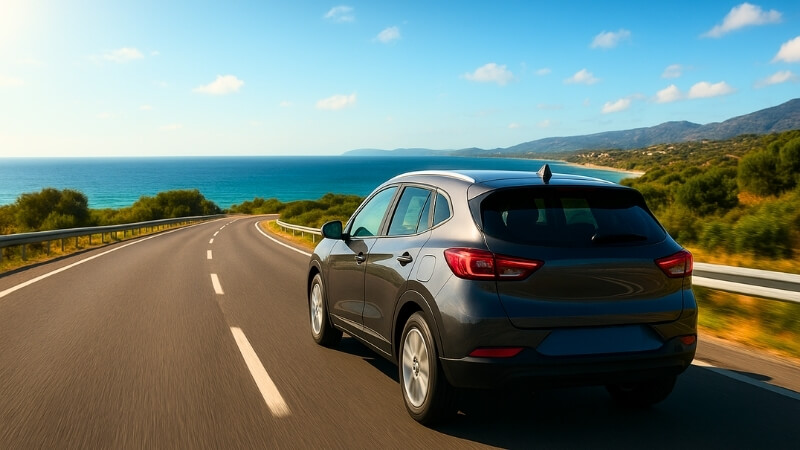
Renting a car and setting off on the road freely can become a much more economical experience when small details are taken into account. The rental fee is a fixed amount determined at the beginning of the journey; however, with practical driving habits applied during the trip, you can keep fuel expenses under control and protect your travel budget. Especially while enjoying the scenic routes of the Aegean region, the following 7 effective methods will help you reduce fuel consumption and achieve maximum efficiency:
Professional Strategies to Increase Driving Efficiency
1. Inertia Management and Predictive Driving
The fundamental rule of driving efficiency is to maintain the vehicle's current momentum. Inertia, a physical principle, is the tendency of a moving vehicle to maintain its state, and in eco-driving, the essential point is not to waste this energy on the brake pedal. According to ADAC data, adopting a predictive driving style based on inertia management can reduce fuel consumption by up to % 20. Analyzing traffic lights and road flow in advance and releasing the accelerator in time allows the vehicle to coast with its own weight, while engaging the "fuel cut-off" system in modern vehicles, reducing instantaneous consumption to zero.
2. Optimized RPM Range and Gear Discipline
Modern engine technologies are optimized to provide maximum torque even at low RPMs. Due to this engineering structure, exceeding necessary RPM levels causes fuel to be wasted as heat energy instead of being converted into mechanical power.
- Petrol Vehicles: An ideal range of 1800 - 2500 RPM should be targeted for efficiency.
- Diesel Vehicles: Staying within the 1500 - 2200 RPM range, where maximum torque is produced, ensures the most efficient combustion.
Cruising in the highest possible gear without causing engine vibration minimizes internal friction and fuel demand.
3. Tire Pressure and Rolling Resistance
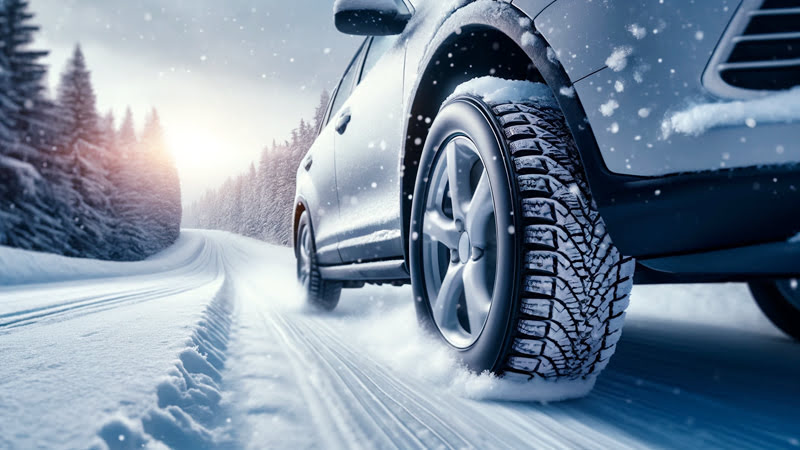
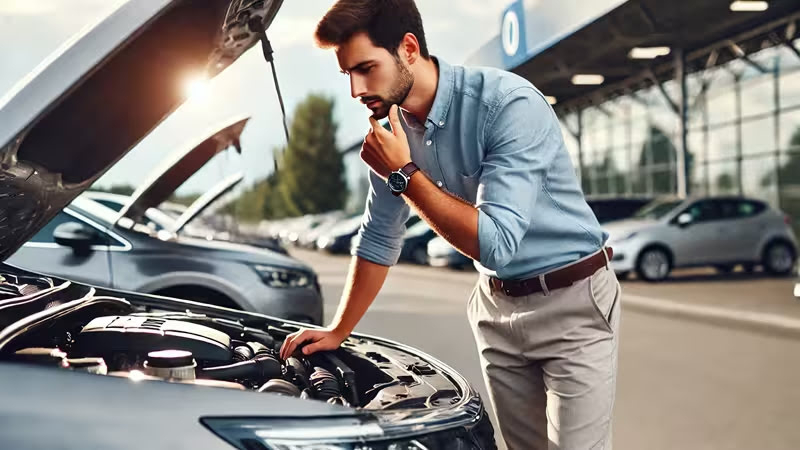
Technical data from Michelin and other authorities prove that tires with 1 bar (14 psi) lower pressure than recommended can increase fuel consumption by one full tank annually. Low pressure increases the tire's contact surface with the road, raising "rolling resistance." Always check the ideal pressure values on the door sill or fuel cap when you receive your rental car.
4. Aerodynamic Efficiency and Window Usage
At high speeds (80 km/h and above), the greatest obstacle a vehicle faces is air resistance. An open window disrupts the vehicle's aerodynamics, creating a "parachute effect." On highway drives, closing windows and using the air conditioning in "recirculation" mode is more economical than driving with open windows. At low city speeds, turning off the AC and using natural ventilation reduces engine load by %10.
5. Unnecessary Load and Accessory Management
Every extra 50 kg of weight in the vehicle increases fuel consumption by approximately %2. However, the real loss occurs with external accessories. An empty roof rack or roof bars can increase consumption by up to 2 liters at highway speeds by increasing air resistance.
6. Cruise Control and Constant Momentum
Sudden speed changes cause the engine to burn a rich mixture (more fuel). Using cruise control on highways stabilizes fuel injection. The ideal efficiency speed for most modern passenger cars is between 80-100 km/h. Dropping from 120 km/h to 100 km/h provides up to % 20 fuel savings along with safety.
7. Idling and Start-Stop Technology
In modern engines, idling for more than 20 seconds wastes more energy than the consumption during movement. If your rental car is equipped with a Start-Stop system, keeping it active significantly improves fuel efficiency in heavy city traffic.
Frequently Asked Questions (FAQ)
1. How much does air conditioning affect fuel consumption?
The AC system increases engine load and can affect consumption between %5 and %15. It is recommended to run the AC at a lower setting once the target temperature is reached.
2. Does shifting to neutral while going downhill save fuel?
Absolutely not. Modern vehicles consume idling fuel when in neutral. When a gear is selected and you lift your foot off the gas, fuel injection is completely cut off (cut-off). Also, driving in neutral is risky for braking system safety.
3. Which fuel type should be preferred for efficiency?
It is best to stick to the fuel type specified in the rental agreement and on the fuel cap (Unleaded 95, Euro Diesel, etc.). Wrong or low-quality fuel causes engine knocking and rapidly decreases efficiency.
A Sustainable Journey Starting from Izmir Adnan Menderes Airport
The entire rental fleet at iZMiRCAR undergoes periodic authorized service maintenance to optimize fuel efficiency. With vehicles delivered with clean air filters, optimized engine oils, and ideal tire pressures, you can protect your budget while heading to Cesme, Bodrum, or Marmaris from Izmir.
You can review our vehicle options for an economical and comfortable journey and get detailed information from our professional support team.