MENU

Mount Nemrut - Following the Traces of a Kingdom Carved in Stone

Mount Nemrut - Following the Traces of a Kingdom Carved in StoneThe road leading to Mount Nemrut does not simply take you to a high point. As you continue, the settlements gradually disappear behind you, the landscape becomes more rugged, and eventually you encounter a monument at the summit left behind by a kingdom more than two thousand years ago. Located near the Kahta district of Adiyaman, Mount Nemrut is known for the monumental tomb and sanctuary commissioned by King Antiochos I of Commagene in the 1st century BC. The enormous statues on the Eastern and Western Terraces surrounding the tumulus reflect the world of Commagene, where Greek, Persian and Anatolian cultures came together. The site was added to the UNESCO World Heritage List in 1987. Yet what makes Mount Nemrut remarkable is not simply the size of its statues. What is truly impressive is that the location of the monument and the meaning it carries cannot be considered separately.
Where Is Mount Nemrut?

Mount Nemrut is located in the highlands of the Eastern Taurus Mountains, near the Kahta district of Adiyaman. Access to the area is generally planned via Adiyaman or Kahta. Rather than treating Mount Nemrut as a short stop from the city centre, it is more practical to consider the travel time and the other historical sites that can be included in the same route.

The Story of Mount Nemrut

The story behind Mount Nemrut goes back to the Kingdom of Commagene. During his reign, Antiochos I developed an approach that strengthened the political and cultural position of the kingdom by bringing Greek and Persian traditions together within the same religious and dynastic system. The monument at the summit is the strongest expression of this approach. The Hierothesion, designed as the burial place of Antiochos, consists of terraces arranged around a large stone tumulus. The Eastern, Western and Northern Terraces each contain different elements. The most striking aspect is that Antiochos positioned himself not merely as a ruler, but within the same monumental order as the gods and his ancestors.

Why Are the Statues on Mount Nemrut Important?

At first sight, the enormous seated statues at the summit may appear to form a single monumental group, but each has a specific place within the world of Commagene. Large statues representing deities stand on the Eastern and Western Terraces. They are accompanied by statues of lions and eagles. The fact that the heads of the statues have become separated from their bodies has created one of the most recognisable images associated with Mount Nemrut today. The Western Terrace also contains reliefs depicting Antiochos shaking hands with the gods. These scenes are important as a visual representation of the relationship the king sought to establish between himself and the divine world. Therefore, viewing these figures simply as "giant stone statues" would mean missing the central idea behind Mount Nemrut.

The Eastern Terrace and the Western Terrace

The two most important sections of the Mount Nemrut site are the Eastern and Western Terraces. Although they form parts of the same monumental arrangement, they can create different impressions during a visit. On the Eastern Terrace, the statues, altar and surrounding arrangements can be perceived more as a whole. The Western Terrace stands out with its arrangement of statue heads and reliefs. For this reason, rather than visiting only one terrace and leaving, it is worth allowing enough time for both.

Sunrise or Sunset at Mount Nemrut?

One of the images most closely associated with Mount Nemrut is the sun rising or setting above the statues. However, evaluating sunrise and sunset only from a photographic perspective would be incomplete.

Sunrise

Those who choose sunrise need to reach the summit quite early. At these hours, the weather can be cool even during summer, particularly because of the high altitude. The waiting time should also be taken into account.

Sunset

Sunset allows a later departure and may therefore be more convenient for some visitors. On the other hand, the possibility of the return journey taking place after dark should be considered when planning the trip. Rather than deciding that one is definitely better than the other, it makes more sense to choose according to your travel schedule and weather conditions.

When Is the Best Time to Visit Mount Nemrut?

When choosing a season for Mount Nemrut, looking only at the general weather in Adiyaman is not enough. Conditions at the summit can differ significantly from those in nearby settlements. Temperatures can drop noticeably, particularly in the early morning and evening. Wind can also make the temperature feel considerably lower at the summit. For this reason, even in summer, wearing layers is a more sensible choice than setting out with only a light top. During winter and the transitional seasons, road and visiting conditions should always be checked before travelling.

How to Get to Mount Nemrut?

Access to Mount Nemrut is generally planned via Adiyaman or Kahta. It is particularly important to check visiting hours and road conditions before travelling to the area. For sunrise or sunset visits, both the journey time and the time spent waiting at the summit should be included in the plan. Those who want to explore Mount Nemrut together with the surrounding historical sites will benefit from planning their transportation around the entire route rather than focusing on a single destination.

What Should You Keep in Mind When Going Up Mount Nemrut?

A visit to Mount Nemrut is not an ordinary archaeological site visit where you get out of a vehicle and find yourself in front of the statues after walking a few steps. Once you reach the summit, you need to walk outdoors and move through sloping sections. Visitors arriving for sunrise should also be prepared to remain standing for an extended period. Comfortable shoes, water, sun protection and clothing suitable for the season are essential. Those planning to take photographs should also consider low-light conditions and make sure that their phone or camera has sufficient battery. Most importantly, the weather conditions at the summit should not be underestimated.


What Can You See Around Mount Nemrut?

Rather than considering Mount Nemrut on its own, exploring it together with the surrounding Commagene heritage makes the journey more meaningful.

Arsameia

Arsameia is one of the important sacred sites from the Commagene period.

Cendere Bridge

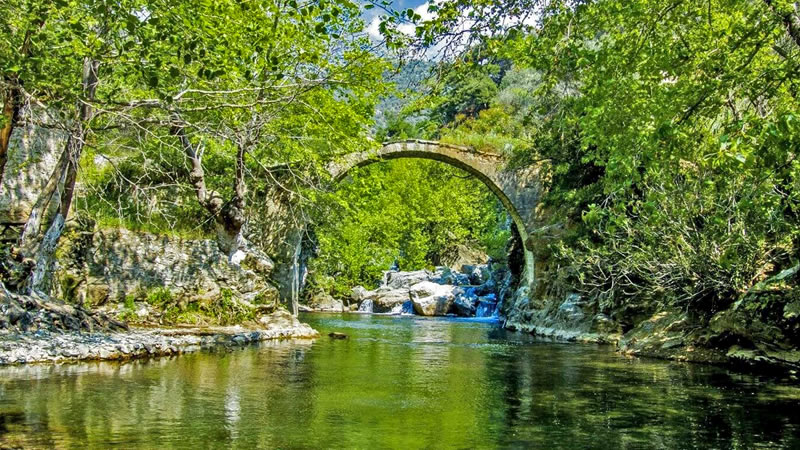
Cendere Bridge is an impressive structure from the Roman period that can be added to the route.

Karakuş Tumulus

Karakuş Tumulus is another monumental site associated with the Commagene dynasty. Visiting these locations as part of the same journey makes it easier to understand that the monument at Mount Nemrut did not emerge as an isolated structure.

How Much Time Should You Allow for Mount Nemrut?

A short programme may be sufficient for those who only want to see the summit. However, if you also want to visit the historical sites around Mount Nemrut, it is better not to rush the journey. If you are planning to visit at sunrise or sunset, travel and waiting times should be taken into account. For those who want to experience Mount Nemrut together with Adiyaman, Kahta and the surrounding Commagene remains, a more extensive itinerary will be much more rewarding.

Before Visiting Mount Nemrut

Preparing for Mount Nemrut involves more than simply packing a few items. Thinking in advance about what time you will set out, which terraces you want to see and which nearby sites you can include in the same route will make the visit easier. Weather conditions, road conditions and current arrangements at the archaeological site should also be checked before travelling. Because what makes Mount Nemrut impressive is not only the statues waiting at the summit. The journey taken to reach that summit is also part of the experience.

Why Should You Visit Mount Nemrut?

What makes Mount Nemrut special is not simply the fact that enormous stone remains from the past are still standing today. What is truly impressive is that a ruler designed a monument on a scale intended to carry his beliefs, political ideas and dynastic claims from his own era into the distant future. The statues standing at the summit today cannot tell the entire story of the Kingdom of Commagene. But when viewed in the right context, they make an important part of that story visible. For this reason, a trip to Mount Nemrut should not be regarded simply as a plan to "see the giant statues". What you encounter here is much more than stones placed on the top of a high mountain: it is the monumental idea left behind by a ruler who sought to carry his own age beyond its time and into the future.