The Story of Pigeon Island - The Iconic Symbol and Legends of Kusadasi
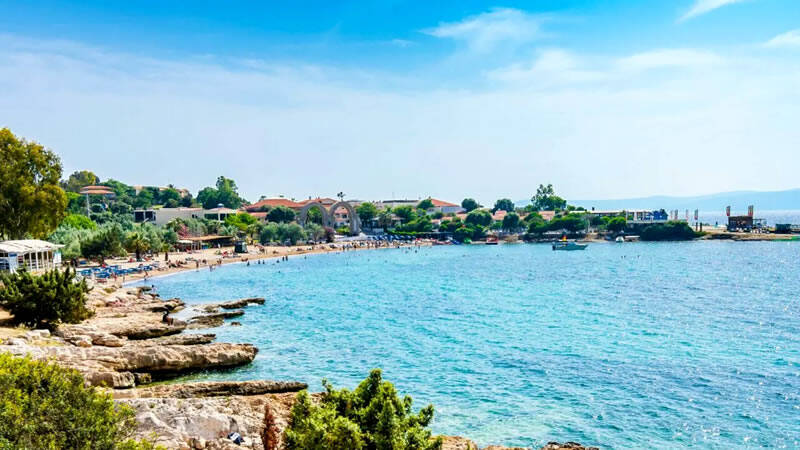
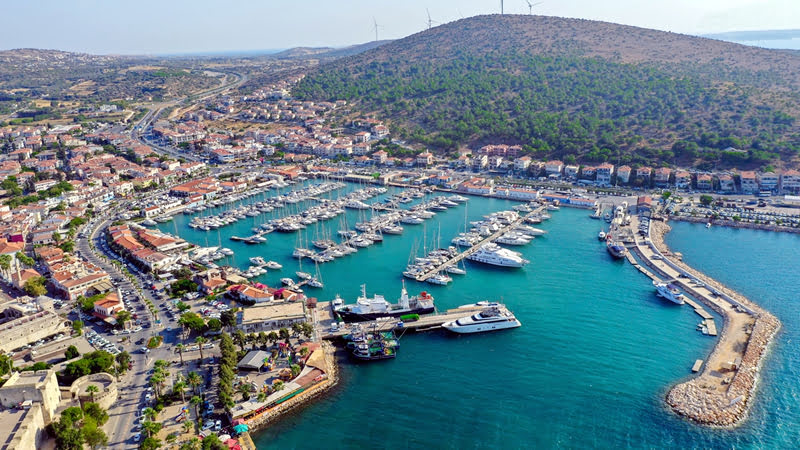
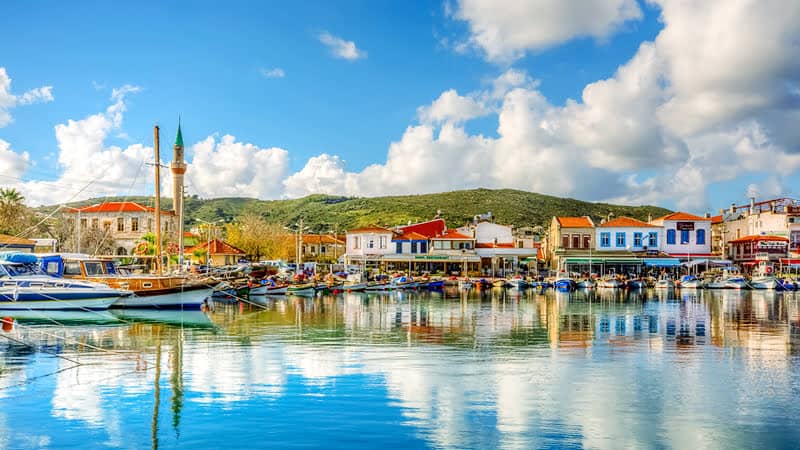
 Kusadasi, the pearl of the Aegean, is a port city known for hosting various civilizations throughout history, rich cultural heritage, and natural beauty. Located on a small peninsula stretching into the sea along the shores of Kusadasi, Pigeon Island stands out as one of the city's most famous symbols. Pigeon Island captivates visitors not only with its stunning views but also with historical structures that carry traces of the past and captivating mythological stories. This island is a central part of Kusadasi's historical and cultural texture.
When you hear the name Pigeon Island, you might first think of its graceful silhouette and the birds’ attraction to it. However, the name and history of this island are much deeper and more meaningful than one might assume. With a story that dates back to ancient times, Pigeon Island is one of Kusadasi's most significant points, both strategically and culturally. The island's history spans from Byzantine to Ottoman times, with each era marking its unique role.
The island’s historical importance and the mythical legends surrounding it make this enchanting place even more intriguing. Legends range from sea gods to protective birds, feeding the mystical and magical atmosphere of Pigeon Island. This article delves into the rich history, mythological background, strategic importance, and present-day touristic appeal of Pigeon Island. Additionally, it covers information on recent restoration projects and its current touristic usage. Pigeon Island continues to shine as a jewel at the heart of Kusadasi from past to present.
Kusadasi, the pearl of the Aegean, is a port city known for hosting various civilizations throughout history, rich cultural heritage, and natural beauty. Located on a small peninsula stretching into the sea along the shores of Kusadasi, Pigeon Island stands out as one of the city's most famous symbols. Pigeon Island captivates visitors not only with its stunning views but also with historical structures that carry traces of the past and captivating mythological stories. This island is a central part of Kusadasi's historical and cultural texture.
When you hear the name Pigeon Island, you might first think of its graceful silhouette and the birds’ attraction to it. However, the name and history of this island are much deeper and more meaningful than one might assume. With a story that dates back to ancient times, Pigeon Island is one of Kusadasi's most significant points, both strategically and culturally. The island's history spans from Byzantine to Ottoman times, with each era marking its unique role.
The island’s historical importance and the mythical legends surrounding it make this enchanting place even more intriguing. Legends range from sea gods to protective birds, feeding the mystical and magical atmosphere of Pigeon Island. This article delves into the rich history, mythological background, strategic importance, and present-day touristic appeal of Pigeon Island. Additionally, it covers information on recent restoration projects and its current touristic usage. Pigeon Island continues to shine as a jewel at the heart of Kusadasi from past to present.