Child Car Seat Usage and Legal Obligations | iZMiRCAR
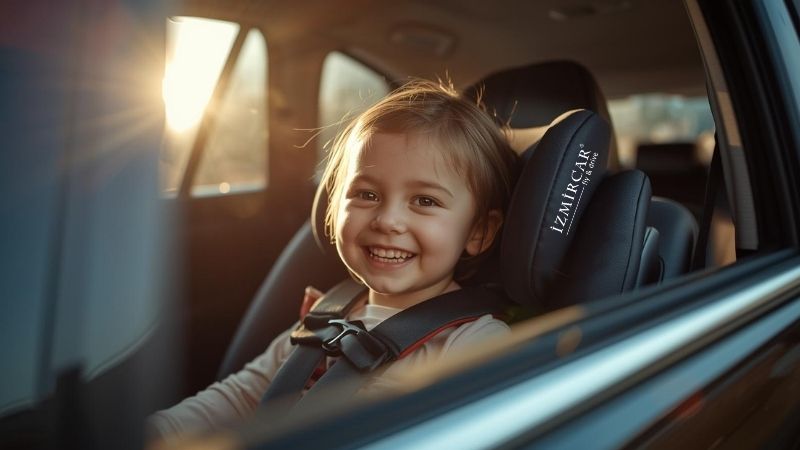
Children's safety during car journeys is one of the most fundamental responsibilities of parents and drivers. In the event of an accident, children are much more vulnerable than adults due to their physical structure. Studies show that a properly selected and correctly installed child car seat can reduce the risk of injury by over 70%.
This guide brings together all the essential details you need for a safe journey, from legal requirements to installation techniques, from an expert perspective.
Using a child car seat in Turkey is not only a safety choice but also a legal obligation defined by traffic laws.
Height and Weight Limit: All children under 150 cm in height and weighing less than 36 kg must travel in a suitable child car seat.
Seat Position: Child car seats should never be placed on front seats with active airbags. The safest location is the middle of the rear seats, which is least affected by side impacts.
Not every child car seat is suitable for all age groups. To maximize safety, selection should be based on the child’s developmental stage.
0-15 Months (Infant Group): Seats must be installed rear-facing. This position best protects the baby's delicate neck and spine during sudden braking or collisions.
15 Months - 4 Years: Depending on height and weight, children can transition to forward-facing seats with a five-point harness system.
4-12 Years (Booster Seats): Until the child reaches a height suitable for safely using the standard seat belt, booster seats should be used.
No matter how high-quality the seat is, improper installation nullifies its protection. Pay attention to the following criteria.
Stability Test: After installing the seat, shake it by hand. It should not move more than 2.5 cm in any direction. ISOFIX anchors provide the safest and most error-free installation.
Harness Adjustment: The harness should fit snugly around the child's body, leaving only a finger-width space between the harness and chest. Thick winter coats can loosen the harness, so avoid this.
Angle Adjustment: Especially for infant seats, the correct recline angle should be set to prevent the head from falling forward.
Children becoming restless during long trips can distract the driver. To manage this:
Regular Breaks: Stop every 2 hours to allow children to stretch. Staying in the same position for a long time can strain blood circulation and muscles.
Wear and Tear Check: Experts do not recommend using second-hand child seats. Seats involved in previous accidents may have microscopic damage that prevents adequate protection in a future impact.
We prioritize safety on your travels as much as you do. By sharing your children’s age and weight during the car rental process, you can benefit from child car seats that comply with international safety standards. Our fast delivery service provides technical support for selecting and safely installing the seat that fits your rented vehicle.
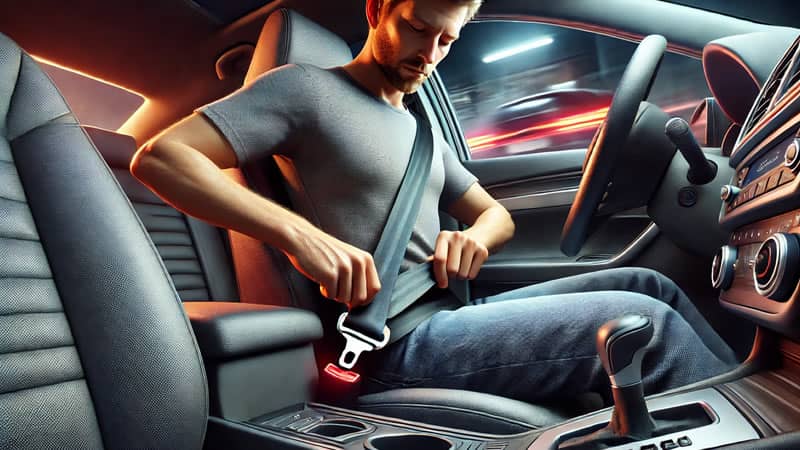
Tip: Teach your children that wearing a seat belt and using a car seat is not a game, but an integral part of the journey. Remember, parents’ seat belt habits are the most effective training model for children.
This guide brings together all the essential details you need for a safe journey, from legal requirements to installation techniques, from an expert perspective.
1. Legal Regulations and Criteria in Turkey
Using a child car seat in Turkey is not only a safety choice but also a legal obligation defined by traffic laws.
Height and Weight Limit: All children under 150 cm in height and weighing less than 36 kg must travel in a suitable child car seat.
Seat Position: Child car seats should never be placed on front seats with active airbags. The safest location is the middle of the rear seats, which is least affected by side impacts.
2. Choosing the Right Seat by Age and Weight
Not every child car seat is suitable for all age groups. To maximize safety, selection should be based on the child’s developmental stage.
0-15 Months (Infant Group): Seats must be installed rear-facing. This position best protects the baby's delicate neck and spine during sudden braking or collisions.
15 Months - 4 Years: Depending on height and weight, children can transition to forward-facing seats with a five-point harness system.
4-12 Years (Booster Seats): Until the child reaches a height suitable for safely using the standard seat belt, booster seats should be used.
3. Critical Tips for Safe Installation
No matter how high-quality the seat is, improper installation nullifies its protection. Pay attention to the following criteria.
Stability Test: After installing the seat, shake it by hand. It should not move more than 2.5 cm in any direction. ISOFIX anchors provide the safest and most error-free installation.
Harness Adjustment: The harness should fit snugly around the child's body, leaving only a finger-width space between the harness and chest. Thick winter coats can loosen the harness, so avoid this.
Angle Adjustment: Especially for infant seats, the correct recline angle should be set to prevent the head from falling forward.
4. Comfort and Safety Management on Long Journeys
Children becoming restless during long trips can distract the driver. To manage this:
Regular Breaks: Stop every 2 hours to allow children to stretch. Staying in the same position for a long time can strain blood circulation and muscles.
Wear and Tear Check: Experts do not recommend using second-hand child seats. Seats involved in previous accidents may have microscopic damage that prevents adequate protection in a future impact.
5. iZMiRCAR’s Safety Approach
We prioritize safety on your travels as much as you do. By sharing your children’s age and weight during the car rental process, you can benefit from child car seats that comply with international safety standards. Our fast delivery service provides technical support for selecting and safely installing the seat that fits your rented vehicle.
Tip: Teach your children that wearing a seat belt and using a car seat is not a game, but an integral part of the journey. Remember, parents’ seat belt habits are the most effective training model for children.